
When the rubber along the bottom of your garage door cracks or the vinyl down the sides goes brittle, your garage stops being sealed. Cold pours in, snow drifts under the door, water pools at the threshold, and mice find the gap before you do. New seals, properly sized and installed, fix all of that in a single short visit.
Why garage door seals matter in Ottawa
Ottawa winters are hard on rubber and vinyl. Cold contracts the material, freeze-thaw cycles open small cracks that grow into big ones, and road salt tracked off the driveway accelerates the wear. Once a seal fails, the problems compound — cold air gets in, drifting snow follows, water pools along the threshold after a thaw, and rodents find the path indoors before you've even noticed the gap.
The four seals on every garage door
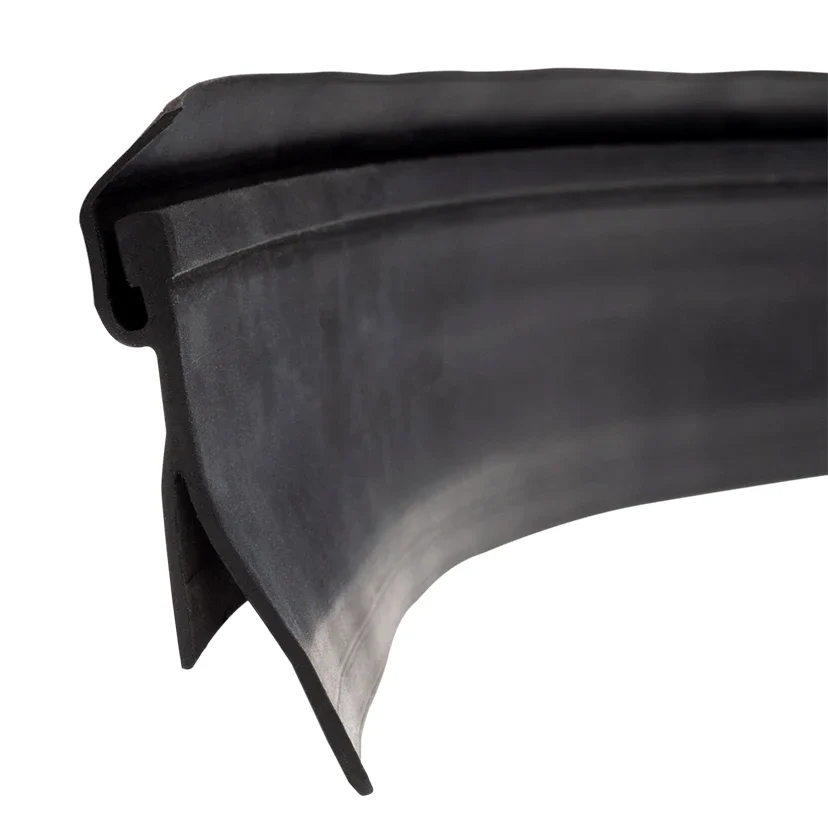
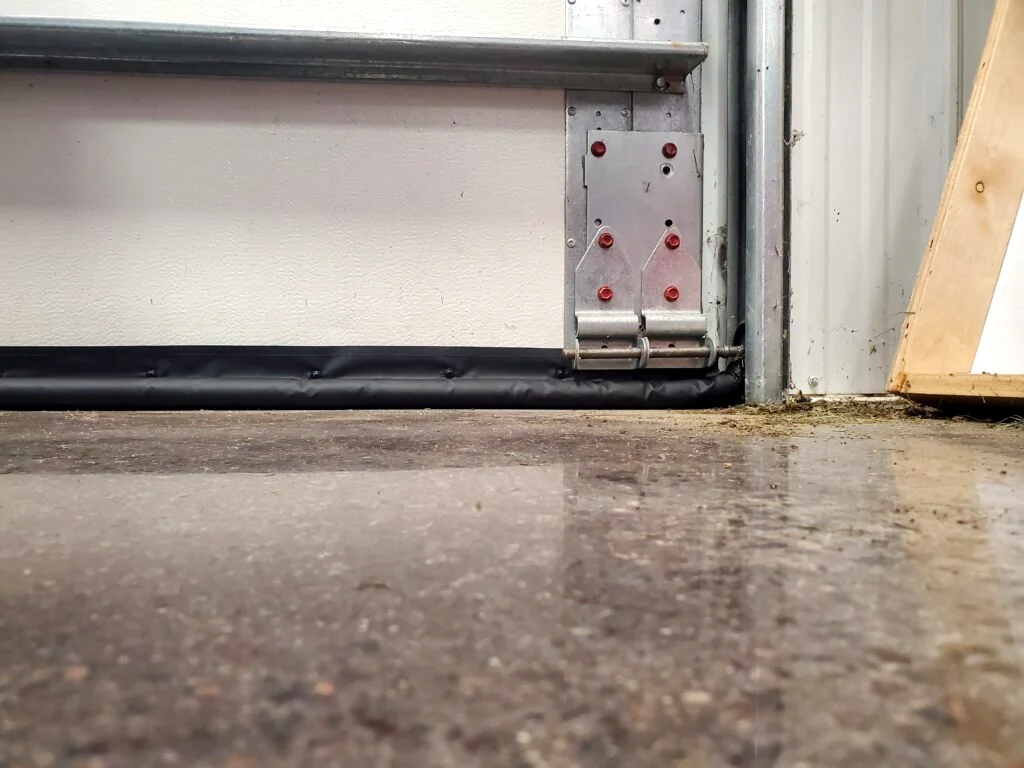
- Bottom seal — runs along the floor, stops water and pests
- Side seals — vinyl strips along both sides of the door
- Top seal — vinyl strip along the header
- Threshold seal — optional concrete-mounted strip on the floor for extra protection
Signs your seals need replacing
- Daylight visible around the closed door
- Cold draft inside the garage when the door is closed
- Snow drifting in along the bottom in winter
- Water pooling at the door edge after rain
- Rubber feels brittle, cracked, or crumbling to the touch
- Mice droppings or evidence of pests in the garage
- Bottom seal flattened, torn, or peeling away from the door
Test it yourself: run a flashlight along the closed door from inside the garage at night. If you can see the light at the edges from outside, the seal is failing.
What we replace and what we use
- Inspect all four seal pointsBottom, sides, top, threshold — we check every contact point before quoting so you only pay for what actually needs replacing.
- Measure and order the right sizeBottom-seal channel sizes vary (1/4", 5/16", 3/8") and seal profiles vary by door manufacturer. We measure on-site and match the correct profile.
- Remove the old sealWe clean the channel of dirt, salt, and old adhesive so the new seal seats properly and doesn't pop out.
- Install new sealsHigh-grade EPDM rubber for the bottom, dual-vinyl strips for the sides and top, all sized to your specific door.
- Test the closeWe cycle the door and make sure it fully seats against all seals with no gaps, no drag, and no light showing through.
- Lubricate weather strippingA light coat of silicone spray on the new vinyl extends its life and stops it from freezing to the door in winter.
Real Liftime weather-seal work
How long should seals last?
In Ottawa's climate, bottom seals typically last 5–10 years and side/top seals 7–12 years. Doors that face direct sun or driveways with heavy snow plowing wear faster. Annual silicone lubrication can almost double seal life — it's the cheapest piece of maintenance you can do for your garage door.